Shared internet hosting is a straightforward and accessible alternative for small companies and businesses, however safety considerations are widespread. This text explains how shared internet hosting works, highlights dangers like malware unfold and useful resource abuse, and descriptions the protections dependable suppliers ought to supply. You’ll additionally be taught widespread errors to keep away from, sensible safety suggestions, and the way shared internet hosting compares to VPS, devoted, and cloud choices so you may make a assured internet hosting resolution.
If you’re a small enterprise proprietor or an company managing a number of consumer websites, shared internet hosting is usually the simplest solution to get began. Nevertheless, a typical concern is whether or not or not shared internet hosting is safe sufficient for skilled web sites.
Safety considerations are legitimate. With a number of prospects sharing the identical bodily server, vulnerabilities can influence a couple of account if not correctly contained. Nevertheless, a well-managed shared internet hosting service, with the precise safeguards, could be a dependable and protected choice for rising companies.
On this article, we’ll discover the safety of shared internet hosting, spotlight dangers, clarify protections it is best to anticipate, and present how the precise internet hosting supplier can hold your web site protected.
Understanding Shared Internet hosting Safety
Earlier than diving into dangers and protections, it helps to know the basics of how shared internet hosting works. Many small enterprise homeowners realize it’s inexpensive, however they might not absolutely grasp why it raises safety considerations. By reviewing the construction of shared internet hosting, you’ll see why it’s essential to ask the precise safety questions.
Shared internet hosting works very similar to an condo constructing. Every account has non-public house (your information, emails, and web site) however shares the identical bodily server and its assets. Whereas this setup makes internet hosting inexpensive and user-friendly, it additionally raises pure safety questions. These may embody:
- Account isolation: ‘Can another user’s compromise have an effect on my web site?’ Account isolation ensures that if one web site on the server is compromised, attackers can’t simply entry others. With out this safeguard, your web site may very well be susceptible by way of no fault of your personal.
- Useful resource abuse: ‘What if another account consumes too much CPU or RAM?’ If one account is overusing assets, it may well decelerate the whole server. This makes it essential for suppliers to observe and management useful resource utilization pretty.
- Malware unfold: ‘How does the provider prevent infected sites from harming others?’ Malware can rapidly unfold between accounts on the identical server if protections aren’t in place. Sturdy containment instruments forestall one contaminated web site from jeopardizing others.
These dangers exist, however trendy shared internet hosting has superior instruments to scale back them dramatically.
What to Contemplate with Shared Internet hosting
When you perceive the shared internet hosting mannequin, the dangers grow to be clearer. Each shared atmosphere carries potential vulnerabilities, however the severity is dependent upon how the host manages its servers. Realizing what can go mistaken prepares you to ask knowledgeable questions and select the precise supplier.
1. Cross-Account Vulnerabilities
In poorly managed environments, if one web site is hacked, attackers might try to maneuver laterally to others on the identical server. With out correct isolation, this might compromise a number of accounts.
2. Useful resource Overuse
As a result of assets are shared, one high-traffic or poorly optimized web site may decelerate others. This may result in efficiency dips and negatively influence the gross sales of the affected web sites.
3. Malware and DDoS Assaults
Malware infections or Distributed Denial of Service (DDoS) assaults can overwhelm servers. A supplier with out robust defenses dangers downtime throughout all hosted websites.
What Dependable Shared Internet hosting Safety Ought to Embrace
After seeing the dangers, the following step is to know which protections must be in place with the intention to hold your web site protected. Not all internet hosting suppliers supply the identical safeguards, so it’s essential to know the baseline security measures it is best to anticipate. These options make the distinction between a susceptible web site and one that may face up to widespread threats.
Account Isolation
Applied sciences like CageFS (isolates particular person customers from one another) and suPHP (implements owner-permission-only PHP script executions) forestall one compromised account from accessing one other. That is the digital equal of locked condo doorways in a shared constructing. With out this, attackers may extra simply transfer throughout websites hosted on the identical server.
Internet Software Firewall (WAF)
A WAF blocks widespread assaults equivalent to SQL (structured question language) injection and cross-site scripting earlier than they attain your web site. This reduces the probability of exploit makes an attempt succeeding. It acts as a defend between your web site and potential unhealthy actors.
Malware Scanning and Safety
Automated malware scanning helps detect suspicious information. Some suppliers additionally supply malware removing, making certain contaminated information don’t unfold. Early detection prevents injury and retains your web site protected for customers.
DDoS Mitigation
Distributed denial-of-service assaults can shut down a web site by overwhelming servers with faux site visitors. Constructed-in DDoS safety helps filter malicious requests earlier than they trigger downtime. This ensures your web site stays out there even throughout tried assaults.
Free SSL Certificates
SSL (Safe Sockets Layer) encryption protects knowledge exchanged between your web site and guests. That is important not just for safety but additionally for search engine marketing (SEO) and buyer belief. With out SSL, browsers might flag your web site as unsafe.
Common Patching and Updates
A safe shared internet hosting supplier retains servers up to date with the most recent safety patches. This reduces the chance of attackers exploiting recognized vulnerabilities. Staying updated is likely one of the easiest but simplest safety measures.

InMotion Internet hosting is one instance of a supplier that features these protections in its shared internet hosting plans. From malware protection and DDoS filtering to SSL and account isolation, InMotion Internet hosting incorporates important safeguards whereas additionally providing 24/7 actual human help. This mixture of technical measures and professional help helps guarantee your small business web site stays each safe and out there.
How Shared Internet hosting Safety Compares to Different Internet hosting Sorts
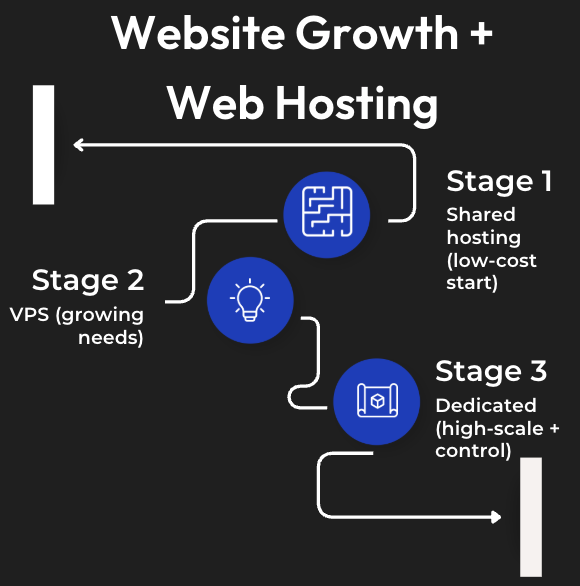
Understanding the place shared internet hosting matches into the bigger internet hosting panorama is essential for making a alternative that feels manageable and future-proof. Each internet hosting kind has trade-offs when it comes to safety, flexibility, and ease of use. By evaluating choices, you possibly can see when shared internet hosting is sensible as a place to begin and when it might be time to improve.
Shared Internet hosting vs. VPS Internet hosting
Shared internet hosting: Designed to be easy and beginner-friendly, shared internet hosting removes lots of the technical hurdles that include operating an internet site. The supplier manages the atmosphere, so you possibly can launch rapidly without having superior information. This makes it a pure first step for brand spanking new web site homeowners or small companies that worth comfort over complexity.
VPS internet hosting: Provides extra management and devoted assets, which can assist scale back dangers from neighboring customers. Nevertheless, this flexibility comes with added accountability. VPS internet hosting sometimes requires extra technical abilities to configure and preserve, making it higher fitted to rising companies with in-house experience or businesses managing a number of websites.
Shared Internet hosting vs. Devoted Internet hosting
Shared internet hosting: Simple to get began with, shared internet hosting offers the precise steadiness of options with out overwhelming new customers. It’s designed for individuals who need to deal with constructing their web site or model moderately than spending time on server setup and administration.
Devoted internet hosting: Delivers the best degree of isolation and efficiency however requires hands-on technical administration. Whereas it provides you full management over your server’s configuration, it additionally creates a steeper studying curve, which could be a barrier for learners or small groups.
Shared Internet hosting vs. Cloud Internet hosting
Shared internet hosting: Easy and predictable, shared internet hosting runs on a single server with set assets. Its simplicity means you don’t have to navigate complicated scaling fashions or handle a number of servers. For a lot of small companies, it’s a better choice that gives all of the necessities to get on-line easily.
Cloud internet hosting: Spreads assets throughout a number of servers to extend scalability and resilience. Whereas this adaptability is highly effective, it may well additionally really feel extra sophisticated for brand spanking new customers who simply need a steady and straightforward solution to handle their web site.
For many small companies and businesses, shared internet hosting creates fewer boundaries to entry and a smoother path to getting on-line. As your web site grows, you possibly can transition to VPS, devoted, or cloud options for extra customization and management. The bottom line is selecting a supplier that makes upgrading straightforward, so you possibly can hold shifting ahead with out disruptions.
Widespread Shared Internet hosting Safety Errors
Even probably the most safe internet hosting supplier can’t defend in opposition to each danger if prospects overlook finest practices. Many breaches consequence from preventable errors on the web site degree. By recognizing these widespread errors, you possibly can keep away from leaving your web site uncovered.
- Neglecting updates: Outdated WordPress plugins or themes are a significant assault vector. Hackers regularly goal recognized vulnerabilities in previous software program. Protecting every part present is likely one of the best methods to remain safe.
- Weak passwords: Simple-to-guess credentials invite brute power assaults. A robust password ought to embody letters, numbers, and particular characters. Including two-factor authentication makes accounts even safer.
- Ignoring backups: With out latest backups, restoration after an incident might be gradual. Common backups mean you can restore your web site rapidly in case of a hack or error. This easy step can save hours of frustration.
- Skipping SSL: Unencrypted websites not solely danger knowledge theft but additionally injury customer belief. Many trendy browsers flag insecure websites, warning potential prospects away. SSL certificates defend each your small business and your status.
Sensible Safety Ideas for Shared Internet hosting Customers
Studying from errors is useful, however making use of proactive methods makes your web site far safer. These practices offer you management over your personal atmosphere, complementing the protections a safe internet hosting supplier already delivers. With a mix of each, you create an in-depth, strong, and holistic method to web site safety.
To maintain your web site protected on shared internet hosting:
- Replace your CMS, plugins, and themes frequently. Software program updates patch vulnerabilities that hackers typically exploit. Failing to replace these leaves your web site open to recognized assaults.
- Use robust, distinctive passwords and allow two-factor authentication. Sturdy credentials are your first line of protection in opposition to unauthorized entry. Two-factor authentication provides a second layer of safety.
- Set up a good safety plugin for WordPress. Plugins can present firewall, malware scanning, and login safety options. Selecting a trusted one helps safeguard your web site with minimal effort.
- Schedule common backups and know learn how to restore them. Having backups means you possibly can recuperate from an assault or error rapidly. Testing your restore course of ensures you’re by no means caught off guard.
- Monitor web site exercise for suspicious logins or file adjustments. Early detection of bizarre conduct helps forestall bigger breaches. Many monitoring instruments warn you instantly when one thing is mistaken.
These practices, mixed with provider-level protections, guarantee a powerful safety place.
Remaining Ideas
After reviewing dangers, protections, and finest practices, the large query is whether or not shared internet hosting is protected for your small business. The reply is dependent upon the supplier you select and the steps you’re taking as an internet site proprietor. When each side work collectively, shared internet hosting could be a safe, dependable basis on your on-line presence.
Shared internet hosting is safe when paired with the precise protections and accountable web site administration. For small companies and businesses, it affords the very best steadiness between affordability, ease of use, and built-in safety. Selecting a supplier that prioritizes malware protection, DDoS mitigation, SSL, and account isolation, supported by a responsive customer support group, makes all of the distinction.
As your small business or consumer portfolio grows, you possibly can scale from shared internet hosting to VPS or devoted options with out sacrificing safety or uptime. That flexibility ensures your internet hosting answer grows along with your ambitions.
Subsequent Steps: Discover internet hosting suppliers that provide built-in security measures and clear help ensures, significantly from human help. InMotion Internet hosting, for instance, consists of these protections as a part of its shared internet hosting plans, giving companies confidence that their websites are safe from day one with human help.