The Lean WordPress Crucial
Within the dynamic world of on-line enterprise, your web site is not only a digital storefront; it is a essential asset that immediately impacts your success. For a lot of, WordPress is the platform of selection, providing unparalleled flexibility and an unlimited ecosystem of instruments. Nevertheless, with nice energy comes nice duty – particularly, the duty to handle your WordPress set up effectively. A bloated, resource-hungry WordPress web site can result in sluggish loading occasions, annoyed guests, and finally, the next internet hosting invoice. This text will information you thru the important methods for retaining your WordPress lean, guaranteeing your internet hosting assets last more, your web site performs optimally, and your online business thrives on-line.
Why Lean Issues: The Efficiency and Value Connection
Earlier than diving into the “how,” let’s perceive the “why.” A lean WordPress web site is a high-performing WordPress web site. Consider it like a finely tuned engine – each part contributes to its total effectivity. When your web site hundreds rapidly, customers usually tend to keep, interact, and convert. Search engines like google additionally favor fast-loading websites, providing you with an edge in natural rankings. Conversely, a sluggish web site can result in excessive bounce charges, decreased conversions, and a adverse consumer expertise.
Past efficiency, there is a important monetary implication. Internet hosting suppliers usually invoice primarily based on useful resource consumption – CPU utilization, RAM, and disk I/O. A heavy WordPress web site calls for extra from these assets, doubtlessly pushing you into higher-tier internet hosting plans and even incurring overage fees. By optimizing your web site, you possibly can prolong the lifetime of your present internet hosting plan, deferring pricey upgrades and reallocating these financial savings to different essential areas of your online business. In essence, retaining WordPress lean is not only about technical optimization; it is about sensible enterprise administration.
Optimizing Your Core WordPress Set up

The muse of a lean WordPress web site begins with its core. This contains the WordPress set up itself, your chosen theme, and the plugins you implement. Every of those components contributes to the general useful resource footprint, and cautious choice and administration are essential.
Selecting a Light-weight Theme
Your theme is the visible spine of your WordPress web site. Whereas aesthetically pleasing themes are tempting, many come laden with pointless options, cumbersome frameworks, and extreme code that may considerably decelerate your web site.
Prioritizing Efficiency-First Themes
When deciding on a theme, prioritize these explicitly designed for pace and efficiency. Search for themes with a minimalist design philosophy, clear code, and a robust emphasis on core internet vitals. Frameworks like GeneratePress, Astra, and Kadence are common decisions for his or her light-weight nature and in depth customization choices with out sacrificing efficiency. Keep away from themes that promise a myriad of demos and web page builder integrations as their main promoting level; these usually introduce bloat.
Avoiding Function Bloat in Themes
Many premium themes boast a dizzying array of options: built-in sliders, customized submit varieties, advanced animation results, and a plethora of shortcodes. Whereas these might sound handy, ask your self in the event you genuinely want each single one. Every added function contributes to the theme’s codebase, rising its dimension and the variety of HTTP requests your web site makes. Go for themes that present a stable basis and mean you can add particular functionalities by way of light-weight plugins when actually obligatory, fairly than having them baked into the theme from the beginning.
Baby Themes for Customization
If you could make modifications to your chosen theme, all the time use a toddler theme. Straight modifying a father or mother theme means your adjustments will likely be misplaced when the theme is up to date. Extra importantly, it creates a separate, light-weight layer to your customizations, retaining the core theme recordsdata pristine and stopping potential conflicts or efficiency degradation from improperly modified core recordsdata.
Pruning Pointless Plugins
Plugins are one in all WordPress’s biggest strengths, providing countless performance. Nevertheless, they’re additionally the commonest culprits of bloat and efficiency points. Every plugin provides code, doubtlessly introduces database queries, and may eat server assets.
Auditing and Deactivating Plugins Usually
Make it a behavior to repeatedly audit your put in plugins. Undergo each and ask: “Do I absolutely need this?” If a plugin is now not in use, or if its performance may be achieved by means of an easier methodology (e.g., just a few strains of code in your little one theme’s features.php), deactivate and delete it. Even inactive plugins can eat disk area and, in some uncommon circumstances, pose safety dangers. Instruments like Plugin Organizer or well being examine plugins will help establish problematic plugins.
Prioritizing Important and Optimized Plugins
Whenever you do want a plugin, select properly. Analysis its efficiency impression. Search for plugins which might be actively maintained, have an excellent fame for clear code, and are recognized to be light-weight. For essential functionalities like caching, safety, and search engine marketing, put money into well-regarded, optimized options. Keep away from plugins that duplicate performance or promise a “magic bullet” answer with out clear efficiency advantages.
Changing A number of Plugins with One
Generally, you may end up utilizing a number of particular person plugins to attain a set of associated functionalities. As an illustration, you might need separate plugins for social sharing, associated posts, and writer bio packing containers. Discover whether or not there is a single, well-optimized plugin that may deal with a number of of those duties effectively, lowering the general plugin depend and potential overhead.
Streamlining Your WordPress Content material and Media

Even with a lean core, your content material and the way you handle it could actually considerably impression your web site’s useful resource consumption. Pictures, movies, and an unoptimized database can rapidly flip a svelte web site right into a sluggish one.
Environment friendly Picture Administration
Pictures are sometimes the heaviest components on a webpage, immediately affecting load occasions. Correct picture optimization is non-negotiable for a lean WordPress web site.
Compressing and Resizing Pictures Earlier than Add
That is maybe probably the most essential step. By no means add unoptimized photos immediately out of your digital camera or design software program. Earlier than importing, use picture modifying software program (like Photoshop, GIMP, or on-line instruments like TinyPNG or Squoosh) to:
- Resize: Make sure the picture dimensions match the utmost show dimension in your web site. Importing a 4000px vast picture solely to show it at 800px is a colossal waste of assets.
- Compress: Scale back the file dimension with out noticeable lack of high quality. JPEG is right for pictures, whereas PNG is healthier for graphics with transparency or sharp edges.
Using Picture Optimization Plugins
Even after pre-upload optimization, an excellent picture optimization plugin can additional scale back file sizes. Plugins like Smush, EWWW Picture Optimizer, or ShortPixel robotically compress photos upon add and may also optimize current photos in your media library. They usually embody options like lazy loading (loading photos solely after they change into seen within the consumer’s viewport), which dramatically improves preliminary web page load occasions.
Leveraging Subsequent-Gen Picture Codecs
Think about using trendy picture codecs like WebP. WebP photos are usually 25-34% smaller than comparable JPEG or PNG photos whereas sustaining related high quality. Plugins talked about above usually help changing photos to WebP. Guarantee you might have a fallback mechanism for older browsers that won’t but help WebP.
Optimizing Video and Embedded Content material
Movies and embedded content material (like social media feeds, maps, or exterior varieties) may be useful resource hogs if not dealt with appropriately.
Internet hosting Movies Externally (YouTube, Vimeo)
Keep away from importing massive video recordsdata on to your WordPress media library. This consumes important disk area and bandwidth, straining your internet hosting assets. As a substitute, host your movies on devoted platforms like YouTube or Vimeo and embed them into your posts or pages. These platforms are optimized for video supply, dealing with encoding, streaming, and content material supply networks (CDNs) much more effectively than your shared internet hosting server ever might.
Lazy Loading Embedded Content material
Identical to photos, embedded content material may be lazy-loaded. Many plugins provide this performance, or you possibly can implement it manually with a small snippet of JavaScript. This ensures that the embedded content material solely hundreds when a consumer scrolls to its place on the web page, stopping it from slowing down the preliminary web page load.
Minimizing Exterior Requests
Each time your web page hundreds an exterior useful resource (a font, a script, an iframe), it makes an HTTP request to a different server. Whereas some are unavoidable, scrutinize any embedded content material or widgets that make quite a few exterior requests. For instance, some social media widgets load in depth JavaScript and CSS from exterior servers, even in the event you solely want a easy share button. Think about using less complicated options or native WordPress functionalities the place attainable.
Cleansing Up Your Database
Over time, your WordPress database can change into cluttered with revisions, spam feedback, transient choices, and orphaned knowledge, impacting question speeds and total web site efficiency.
Deleting Submit Revisions and Spam Feedback
WordPress robotically saves revisions of each submit and web page. Whereas helpful for modifying, lots of of revisions can bloat your database. You possibly can restrict the variety of revisions saved (e.g., outline('WP_POST_REVISIONS', 3); in wp-config.php) or use a plugin like WP-Optimize or WP-Sweep to delete previous revisions, spam feedback, and trashed gadgets.
Eradicating Transient Choices and Orphaned Information
Plugins usually create “transient options” for caching functions, which are supposed to expire. Nevertheless, typically they do not get cleaned up. Equally, when plugins are uninstalled, they may depart behind “orphaned data” in your database tables. Database optimization plugins can establish and safely take away these, lowering the database dimension and bettering question efficiency.
Common Database Optimization and Restore
Periodically optimizing and repairing your database tables can enhance their effectivity. This course of defragments tables and reclaims unused area. Many internet hosting suppliers provide instruments for this of their management panel (e.g., phpMyAdmin), or you need to use a plugin. Bear in mind to all the time again up your database earlier than performing any optimization or restore operations.
Implementing Efficiency-Enhancing Applied sciences
Past managing your core set up and content material, leveraging particular applied sciences can considerably increase your WordPress web site’s efficiency and scale back its useful resource calls for.
Caching Methods
Caching is without doubt one of the simplest methods to scale back server load and pace up web page supply. As a substitute of producing a web page from scratch for each customer, caching shops a static model of the web page, which may be served a lot sooner.
Browser Caching
Browser caching instructs a consumer’s browser to retailer sure static recordsdata (like CSS, JavaScript, and pictures) domestically for a specified interval. Because of this on subsequent visits, the browser would not have to re-download these recordsdata out of your server, resulting in a lot sooner web page hundreds. You possibly can configure browser caching by means of your .htaccess file or by utilizing a caching plugin.
Web page Caching
Web page caching saves the dynamically generated HTML output of your WordPress pages as static recordsdata. When a consumer requests a web page, the caching mechanism serves this static file immediately, bypassing the necessity for WordPress to course of PHP scripts and database queries. This drastically reduces server load and hurries up supply. Widespread caching plugins like WP Rocket, LiteSpeed Cache (in case your host makes use of LiteSpeed), and W3 Complete Cache provide sturdy web page caching capabilities.
Object Caching
Object caching, usually applied utilizing options like Memcached or Redis, shops the outcomes of database queries and different advanced operations in reminiscence. That is significantly helpful for high-traffic websites or these with many dynamic components, because it prevents repeated database queries for a similar knowledge. Whereas extra superior, some managed WordPress hosts provide object caching as a part of their service, or you possibly can configure it with applicable plugins and server setup.
Content material Supply Networks (CDNs)
A CDN is a community of servers distributed globally. When a consumer requests a useful resource (like a picture or a script) out of your web site, the CDN delivers it from the server geographically closest to them.
How CDNs Scale back Server Load
By offloading the supply of static property to a CDN, your origin server (your internet hosting supplier) experiences much less load. This frees up your server’s assets to deal with dynamic content material and database queries extra effectively. Moreover, by serving content material from a better location, CDNs considerably scale back latency and enhance load occasions for customers worldwide.
Selecting a Appropriate CDN Supplier
Many CDN suppliers can be found, starting from free choices like Cloudflare (which affords way more than simply CDN) to premium companies like KeyCDN, Bunny.internet, and Amazon CloudFront. When selecting, think about components like international attain, pricing, ease of integration with WordPress, and particular options like picture optimization or safety enhancements. Most caching plugins provide seamless integration with common CDN companies.
Minification and Concatenation
Minification and concatenation are methods used to scale back the scale and variety of requests to your web site’s CSS and JavaScript recordsdata.
Minifying CSS and JavaScript
Minification includes eradicating pointless characters out of your code (like whitespace, feedback, and line breaks) with out affecting its performance. This leads to smaller file sizes, which implies sooner downloads. Most caching plugins embody minification options, or you need to use devoted minification plugins.
Concatenating CSS and JavaScript
Concatenation combines a number of CSS recordsdata right into a single file, and a number of JavaScript recordsdata into one other single file. This reduces the variety of HTTP requests the browser must make to fetch all the mandatory styling and scripting. Whereas HTTP/2 (which most trendy servers use) reduces the impression of a number of requests, concatenation can nonetheless provide advantages, particularly for websites with many small recordsdata. Once more, caching plugins usually deal with this.
Server-Facet Optimizations and Internet hosting Concerns
| Metric | Description | Influence on Internet hosting Sources | Advisable Motion |
|---|---|---|---|
| Web page Load Time (seconds) | Time taken for a web page to totally load | Decrease load occasions scale back CPU and reminiscence utilization | Optimize photos, use caching, decrease plugins |
| Variety of Lively Plugins | Complete plugins at the moment activated on the positioning | Extra plugins improve server useful resource consumption | Deactivate and delete pointless plugins |
| Database Measurement (MB) | Measurement of WordPress database together with posts, feedback, and choices | Bigger databases sluggish queries and improve reminiscence use | Usually clear up revisions, spam feedback, and transient choices |
| PHP Reminiscence Restrict (MB) | Most reminiscence allotted to PHP scripts | Greater limits enable heavier scripts however eat extra RAM | Set applicable limits primarily based on web site wants, keep away from extreme values |
| Variety of HTTP Requests | Rely of requests made to load a web page (scripts, types, photos) | Extra requests improve server load and bandwidth utilization | Mix and minify CSS/JS, use sprites, lazy load photos |
| Cache Hit Ratio (%) | Share of requests served from cache | Greater ratios scale back server processing and database queries | Implement web page and object caching mechanisms |
| CPU Utilization (%) | Share of CPU assets utilized by WordPress processes | Decrease CPU utilization means extra environment friendly useful resource utilization | Optimize code, scale back background duties, restrict cron jobs |
| Bandwidth Utilization (GB/month) | Quantity of knowledge transferred from the server month-to-month | Decrease bandwidth reduces internet hosting prices and server pressure | Use CDN, compress recordsdata, optimize media supply |
Whereas a lot of WordPress optimization occurs throughout the utility layer, the underlying server surroundings performs an equally essential position. The correct internet hosting selection and correct server configuration can dramatically impression your web site’s efficiency and useful resource consumption.
Selecting the Proper Internet hosting Supplier and Plan
Your internet hosting supplier is the inspiration of your web site’s efficiency. An affordable, overcrowded shared host will all the time wrestle, irrespective of how optimized your WordPress web site is.
Understanding Completely different Internet hosting Sorts
- Shared Internet hosting: Most inexpensive, however assets are shared amongst many customers. Susceptible to “noisy neighbor” points the place one other web site’s visitors can impression yours. Typically not splendid for rising companies.
- Managed WordPress Internet hosting: Particularly optimized for WordPress, providing enhanced safety, automated updates, and specialised caching. Typically offers higher efficiency than generic shared internet hosting. Examples: WP Engine, Kinsta, SiteGround.
- VPS (Digital Personal Server): Presents devoted assets inside a virtualized surroundings. Offers extra management and higher efficiency than shared internet hosting, however requires extra technical experience to handle.
- Devoted Server: Probably the most highly effective possibility, providing you with a complete server. Costly and requires important technical information.
- Cloud Internet hosting: Scalable and versatile, permitting assets to be adjusted on demand. Typically combines elements of VPS and devoted internet hosting, billed primarily based on utilization. Examples: AWS, Google Cloud, DigitalOcean.
For many entrepreneurs, founders, and consultants, an excellent managed WordPress internet hosting supplier strikes one of the best steadiness between efficiency, options, and ease of administration.
Contemplating Scalability and Useful resource Allocation
As your online business grows, your web site visitors will probably improve. Select a internet hosting supplier that gives clear improve paths and means that you can simply scale your assets (CPU, RAM, disk area) as wanted. Perceive the useful resource limits of your chosen plan. A supplier with beneficiant limits for the worth will assist your lean WordPress web site thrive with out fixed concern about hitting caps.
Location of Internet hosting Server
Select a internet hosting server positioned geographically near your target market. This reduces latency and hurries up content material supply, even earlier than a CDN is absolutely utilized. In case your viewers is international, a CDN turns into much more essential.
Optimizing Your Server Atmosphere
Past the internet hosting kind, a number of server-side configurations may be tweaked for higher WordPress efficiency.
PHP Model and Configuration
All the time run the newest steady model of PHP (at the moment PHP 8.x). Every new main model of PHP brings important efficiency enhancements and safety enhancements. Older PHP variations are slower and may pose safety dangers. Guarantee your host helps and means that you can replace your PHP model. Additionally, modify PHP reminiscence limits (e.g., memory_limit to 256M or 512M if wanted) to forestall WordPress from working out of reminiscence throughout advanced operations.
Gzip Compression
Gzip compression reduces the scale of your HTML, CSS, and JavaScript recordsdata earlier than they’re despatched from the server to the consumer’s browser. This will considerably scale back bandwidth utilization and pace up load occasions. Most trendy servers have Gzip compression enabled by default, however you possibly can verify and allow it by way of your .htaccess file or by means of your internet hosting management panel.
Utilizing Nginx or Apache (with correct configuration)
Whereas WordPress itself is primarily PHP-based, the online server software program (Apache or Nginx) that serves your web site performs a significant position. Nginx is usually favored for its effectivity in serving static content material and dealing with excessive concurrent connections. Apache, whereas broadly used, may be optimized with modules like mod_expires and mod_headers for caching and compression. A great managed WordPress host could have their server stack (usually Nginx or a extremely optimized Apache setup) pre-configured for optimum WordPress efficiency.
Common Upkeep and Monitoring
Retaining your WordPress web site lean is an ongoing course of, not a one-time job. Common upkeep and monitoring are important to forestall bloat and catch points early.
Automated Backups and Restoration
Earlier than making any important adjustments or optimizations, all the time guarantee you might have a current, dependable backup of your whole web site (recordsdata and database). This lets you rapidly restore your web site if something goes fallacious. Many internet hosting suppliers provide automated backups, or you need to use a plugin like UpdraftPlus or BackWPup.
Monitoring Web site Efficiency
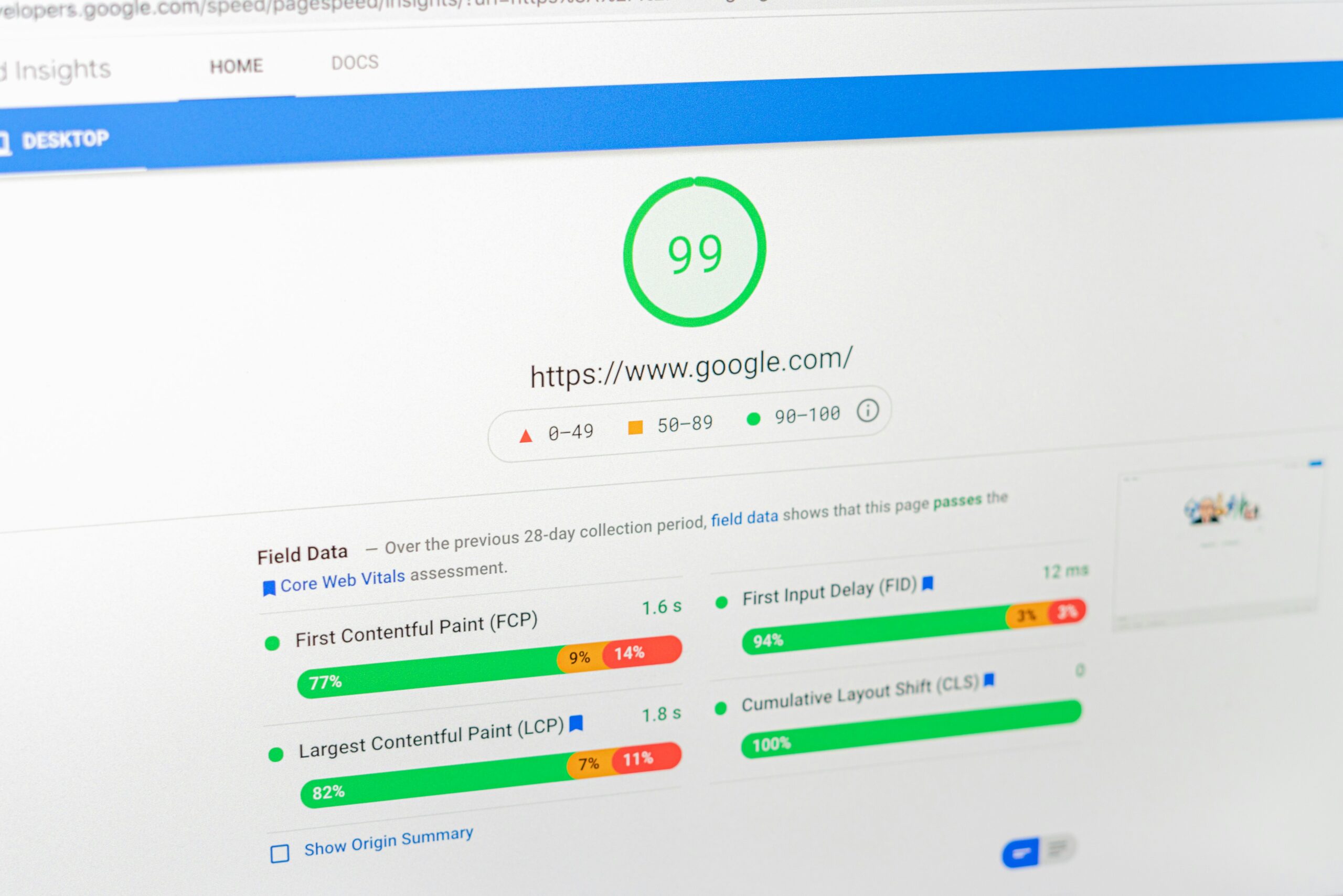
Constantly monitor your web site’s efficiency utilizing instruments like Google PageSpeed Insights, GTmetrix, Pingdom Instruments, or WebPageTest. These instruments present invaluable insights into web page load occasions, identifies bottlenecks, and suggests particular enhancements. Take note of Core Net Vitals metrics, as these immediately impression consumer expertise and search engine marketing.
Checking Error Logs and Debugging
Usually examine your server’s error logs and WordPress debug logs. These logs can reveal underlying points, plugin conflicts, or unoptimized code that is perhaps consuming extreme assets or inflicting errors. Addressing these points promptly helps keep a wholesome and lean WordPress set up.
Superior Methods for Useful resource Conservation
For these searching for to push their WordPress web site’s effectivity even additional, a number of superior methods may be employed, usually requiring a bit extra technical know-how or a strong internet hosting surroundings.
Nice-Tuning Your wp-config.php File
The wp-config.php file is a core configuration file for WordPress. A number of strategic additions right here can considerably impression useful resource utilization.
Limiting Submit Revisions
As talked about earlier, limiting submit revisions immediately in wp-config.php prevents your database from accumulating extreme historic knowledge. Add outline('WP_POST_REVISIONS', 5); (or your most well-liked quantity) to restrict revisions.
Disabling Unused Options
You possibly can disable sure WordPress options that you do not use to forestall them from loading pointless scripts or making requests. For instance, in the event you do not use the WordPress cron job for particular duties, you possibly can disable it (outline('DISABLE_WP_CRON', true);) and arrange a system-level cron job as a substitute, which is usually extra environment friendly. Equally, disabling automated updates for plugins or themes (in the event you handle updates manually) can forestall sudden useful resource spikes.
Rising PHP Reminiscence Restrict
In case your web site regularly encounters “out of memory” errors, rising the PHP reminiscence restrict will help. Add outline('WP_MEMORY_LIMIT', '256M'); or outline('WP_MEMORY_LIMIT', '512M'); to your wp-config.php file. Nevertheless, merely rising this is not an answer for bloated code; it is a workaround. The aim ought to nonetheless be to establish and optimize resource-intensive processes.
Database Indexing and Optimization
Past easy cleanup, deep database optimization can considerably enhance the pace of queries, particularly for websites with massive quantities of knowledge.
Analyzing Gradual Queries
In case your web site experiences efficiency bottlenecks, figuring out sluggish database queries is essential. Instruments just like the Question Monitor plugin will help you analyze all database queries on a given web page, highlighting people who take too lengthy.
Including or Optimizing Database Indexes
Indexes are particular lookup tables that the database search engine can use to hurry up knowledge retrieval. If sure tables or columns are regularly queried however lack correct indexing, queries can change into extraordinarily sluggish. For superior customers, inspecting database schemas and including applicable indexes (after cautious testing) can dramatically enhance question efficiency. That is usually achieved by way of phpMyAdmin or a command-line interface.
Utilizing Object Caching (Redis/Memcached)
For top-traffic websites, implementing a strong object caching answer like Redis or Memcached is usually a game-changer. These in-memory knowledge shops maintain the outcomes of frequent database queries, stopping the necessity to hit the database for each request. This reduces database load and hurries up dynamic content material supply. This often requires server-level setup and integration by way of a plugin.
Load Balancing and Auto-Scaling
For very massive, mission-critical WordPress websites, single-server setups can change into a bottleneck. Load balancing and auto-scaling distribute visitors and assets throughout a number of servers.
Distributing Visitors Throughout A number of Servers
Load balancing includes utilizing a “load balancer” ({hardware} or software program) to distribute incoming internet visitors throughout a cluster of a number of internet servers. If one server turns into overloaded, the load balancer directs visitors to different out there servers, guaranteeing excessive availability and optimum efficiency. This prevents a single level of failure and permits your web site to deal with huge spikes in visitors.
Auto-Scaling for Peak Demand
Auto-scaling robotically adjusts the variety of servers working primarily based on real-time visitors demand. Throughout peak durations, new server cases are robotically spun as much as deal with the elevated load. When visitors subsides, these cases are shut down, optimizing useful resource utilization and price. That is usually applied in cloud internet hosting environments (AWS, Google Cloud).
These superior methods usually require a major funding in internet hosting infrastructure and technical experience. They’re usually fitted to enterprise-level WordPress deployments or high-traffic e-commerce websites the place each millisecond of load time immediately impacts income. For many small to medium-sized companies, specializing in the core optimizations outlined within the earlier sections will yield glorious outcomes and maintain internet hosting assets lean and environment friendly.
FAQs
Why is it essential to maintain WordPress lean for internet hosting assets?
Retaining WordPress lean helps to optimize the efficiency of your web site by lowering the pressure on internet hosting assets. This will result in sooner loading occasions, higher consumer expertise, and decrease internet hosting prices.
What are some methods to maintain WordPress lean?
Some methods to maintain WordPress lean embody repeatedly updating plugins and themes, optimizing photos and movies, cleansing up unused plugins and themes, and minimizing the usage of exterior scripts and pointless code.
How can caching assist in retaining WordPress lean?
Caching will help in retaining WordPress lean by storing static variations of your web site’s pages, lowering the necessity for dynamic content material technology and database queries. This will considerably enhance loading occasions and scale back the pressure on internet hosting assets.
What position does monitoring and optimizing database efficiency play in retaining WordPress lean?
Monitoring and optimizing database efficiency is essential in retaining WordPress lean as databases can rapidly change into bloated with pointless knowledge. Usually cleansing up and optimizing the database can enhance web site pace and efficiency.
Why is it essential to decide on a dependable internet hosting supplier when aiming to maintain WordPress lean?
Selecting a dependable internet hosting supplier is essential when aiming to maintain WordPress lean as a result of an excellent internet hosting supplier will provide optimized server configurations, environment friendly useful resource allocation, and dependable help. This will help in sustaining a lean WordPress set up and guaranteeing optimum efficiency.